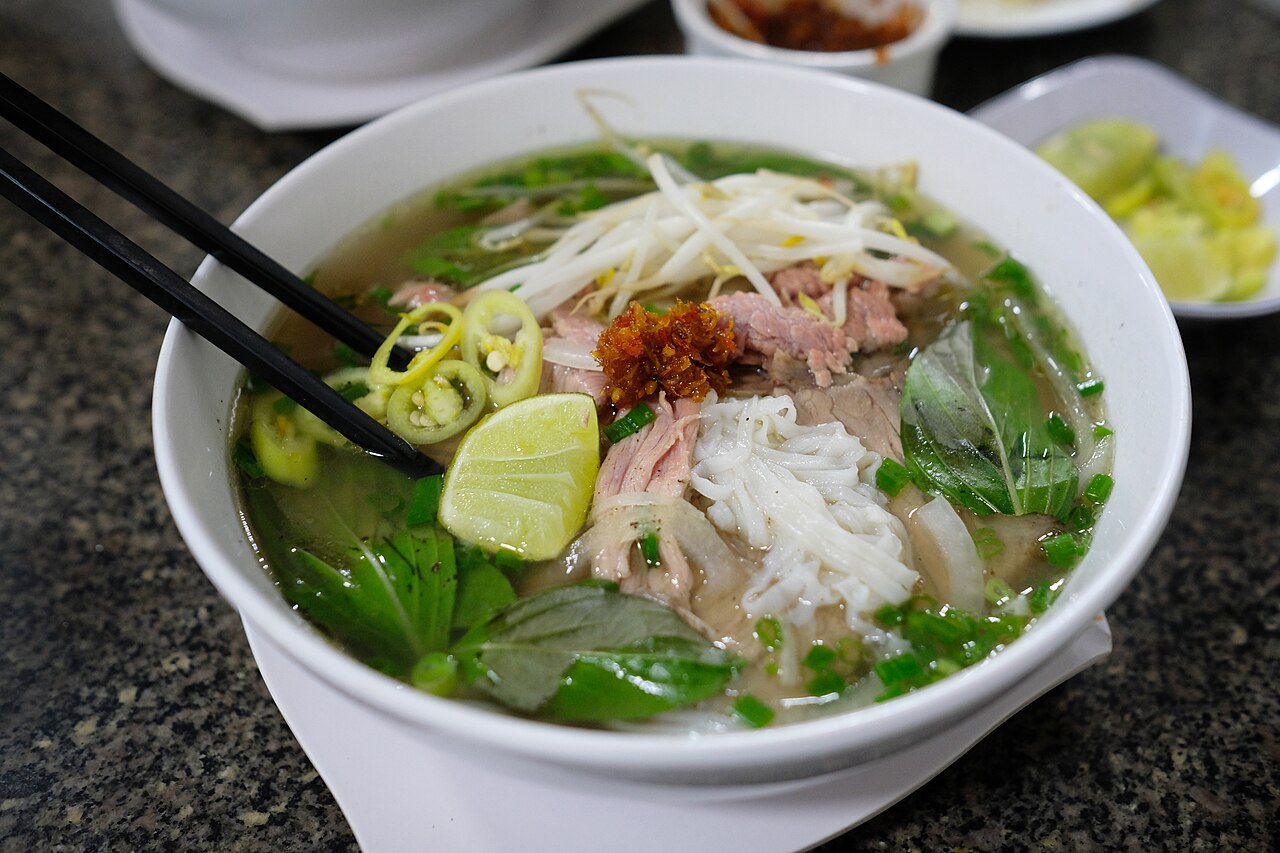
Hanoi vs. Saigon Pho: Exploring Vietnam's Regional Noodle Soup Styles
There are few dishes as universally beloved and deeply symbolic of a nation's culinary heritage as
vietnamese pho. This fragrant, nourishing, and gently spiced beef or chicken and rice noodle soup has captivated palates worldwide, cementing its status as Vietnam's unofficial national dish. While a simple bowl of pho might seem straightforward, its history is as complex and subtle as its layered flavors. What many international connoisseurs discover, however, is that the pho they know and love often represents just one facet of this diverse dish. Across Vietnam, particularly between the bustling northern capital of Hanoi and the vibrant southern metropolis of Ho Chi Minh City (formerly Saigon), pho evolves into two distinct and fiercely proud regional styles, each offering a unique culinary journey.
The Cradle of Pho: Hanoi's Northern Heritage
Most food historians agree that
vietnamese pho first emerged in northern Vietnam in the late 19th and early 20th centuries, during the French colonial period. Its origins are shrouded in fascinating ambiguity, with theories pointing to adaptations of French *pot-au-feu* (sharing a phonetic resemblance to "phở") or influences from Chinese communities who sold a beef noodle dish pronounced "fuh." As explored in
Tracing Pho's Roots: French, Chinese, or Purely Vietnamese?, the truth likely lies in a confluence of these cultural exchanges. Chef and food writer Alex Tran suggests that while rice noodles and certain spices have Chinese connections, the widespread consumption of beef, which was not traditionally a daily meat for Vietnamese farmers, blossomed under French influence.
The ancestral home of pho is often traced to Nam Dinh province, located about 100 kilometers south of Hanoi, in the rich Red River Delta. This agricultural heartland, known for its skilled farmers and culinary traditions, is also home to many of Vietnam's most renowned pho masters, some linked to the legendary Co family in Van Cu village. Northern-style pho, or
Phở Bắc, reflects this heritage with its emphasis on purity and the integrity of its core ingredients.
A bowl of authentic Hanoi pho is characterized by its exceptionally clear, savory broth. This is achieved through a meticulous simmering process, often involving beef bones, flank, oxtail, and a careful selection of spices like star anise, cardamom, cinnamon, and ginger. The flavor profile leans heavily towards savory rather than sweet, with a deep umami backbone. Garnishes are minimal and purposeful: typically just thinly sliced raw or cooked beef (or chicken), fresh spring onions, and perhaps a sprig of mint from Hanoi's traditional Láng area. The focus is squarely on the nuanced flavor of the broth and the texture of the tender rice noodles (bánh phở). There’s less emphasis on adding extra condiments, allowing the foundational broth to shine. Hanoians traditionally prefer to savor the unadulterated essence of their soup, with chili vinegar being one of the few acceptable additions.
Saigon's Dynamic Evolution: The Southern Symphony
As pho migrated south with Vietnamese people seeking new opportunities, particularly during the partition of Vietnam in 1954, it began to transform. Upon arriving in Saigon (now Ho Chi Minh City), the dish encountered a different culinary landscape, one shaped by the city's vibrant cultural diversity, including large Chinese and Cambodian communities. This melting pot of influences and the availability of new ingredients spurred a significant evolution, giving birth to what is known today as Southern-style pho, or
Phở Nam.
The most striking difference in Saigon pho is its broth, which tends to be sweeter and richer than its northern counterpart. This sweetness is often attributed to the incorporation of rock sugar, a common ingredient in Chinese cooking, and white radish, inspired by Cambodian noodle soups like *kuy teav*. These additions balance the savory notes, creating a more rounded and sometimes slightly richer broth. To truly
Unlock Authentic Pho: Crafting Vietnam's Beloved National Dish, understanding these regional ingredient choices is key.
Another hallmark of Saigon pho is the liberal use of garnishes and condiments. While Hanoi pho is about minimalist perfection, Southern pho embraces a symphony of complementary flavors and textures. A typical serving will arrive with an abundant plate piled high with fresh herbs such as Thai basil, cilantro, saw-leaf herb (ngò gai), and mint, alongside crunchy bean sprouts, lime wedges, and sliced fresh chilies. Diners are encouraged to customize their bowl to their heart's content, adding dollops of hoisin sauce and sriracha, often directly into the broth. Portions in the south are also famously more generous, with bowls typically larger than those found in Hanoi. This emphasis on customization and abundance reflects the convivial and varied culinary spirit of the South.
A Head-to-Head Battle of the Bowls: Key Distinctions
While both Hanoi and Saigon pho share the fundamental elements of broth, rice noodles, and meat, their differences are profound, offering distinct experiences.
*
Broth Profile:
*
Hanoi Pho: Characterized by a clear, intensely savory, and aromatic broth with a focus on beef bones and spices. The flavor is deep and pure, with minimal sweetness.
*
Saigon Pho: Tends to be sweeter and slightly cloudier, often incorporating rock sugar and white radish. It can have a richer mouthfeel due to a longer simmering process and the addition of more aromatics.
*
Garnishes and Condiments:
*
Hanoi Pho: Sparsely garnished with green onions, perhaps some fresh mint or coriander. Condiments like chili vinegar are used sparingly, if at all, to preserve the broth's integrity.
*
Saigon Pho: Comes with a generous side plate of fresh herbs (basil, cilantro, saw-leaf herb, mint), bean sprouts, lime, and chilies. Hoisin and sriracha sauces are standard additions, allowing for personal customization.
*
Serving Style and Portions:
*
Hanoi Pho: Generally served in smaller, more modest bowls, prioritizing quality over sheer quantity.
*
Saigon Pho: Known for its larger bowls and more substantial portions, reflecting the southern preference for abundance.
*
Meat Selection: Both regions offer various cuts of beef, but Hanoi often focuses on specific, tender cuts, while Saigon might present a wider array, including beef meatballs or tripe, alongside traditional slices.
Neither style is inherently "better"; they are simply different expressions of the same beloved national dish. Each offers a unique window into Vietnam's diverse culinary landscape and regional pride.
The Pho Experience: More Than Just a Meal
Beyond the ingredients and preparation, the experience of eating
vietnamese pho also varies between Hanoi and Saigon. In Hanoi, pho is often enjoyed in more traditional, sometimes quieter settings, where the focus is almost meditative on the purity of the soup itself. It's a breakfast staple, a comforting lunch, or a light dinner, consumed with respect for its ancestral form.
In Saigon, the pho experience is often more boisterous and communal. Eating pho can be a lively affair amidst the city's energetic street food scene, where the clatter of bowls and animated conversations fill the air. The act of customizing your bowl with an array of fresh ingredients and sauces is part of the fun, transforming each serving into a personal masterpiece. This adaptability and willingness to embrace new flavors have also contributed to Saigon-style pho's widespread popularity overseas, as it caters to a broader range of palates and preferences.
Ultimately, whether you prefer the subtle, savory depth of Hanoi's *Phở Bắc* or the sweet, herb-laden abundance of Saigon's *Phở Nam*, the beauty of pho lies in its ability to tell a story – a story of history, migration, cultural fusion, and fierce regional identity.
In conclusion, the journey through the regional styles of
vietnamese pho reveals a culinary tapestry as rich and varied as Vietnam itself. From the humble origins in northern villages to its vibrant evolution in the south, pho remains a powerful symbol of Vietnamese resilience, creativity, and passion for food. To truly appreciate this iconic noodle soup, one must savor both its ancestral northern purity and its flamboyant southern adaptation. Each bowl offers a unique taste of Vietnam, inviting diners to explore and celebrate the delicious diversity of a nation united by its love for pho.