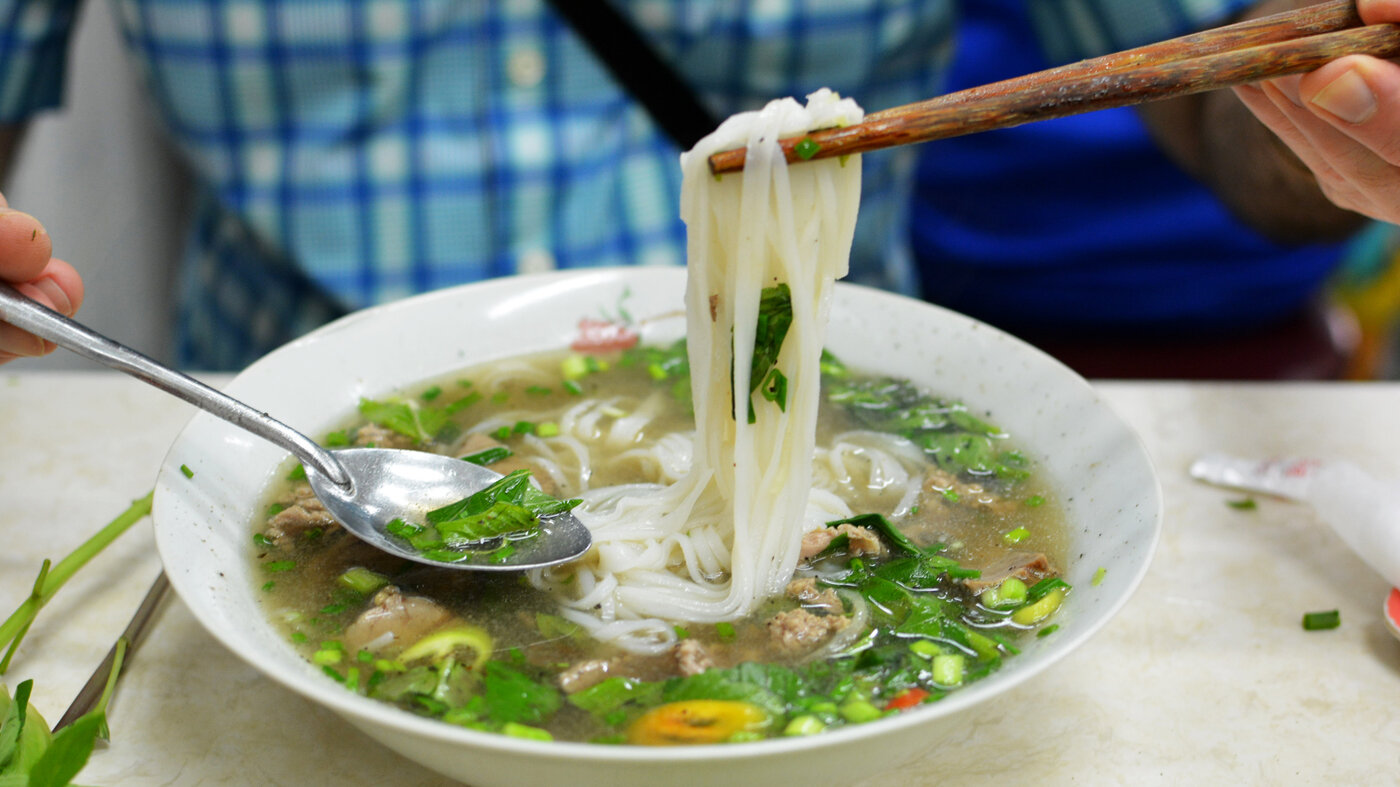
Tracing Pho's Roots: French, Chinese, or Purely Vietnamese?
Vietnamese pho, that iconic bowl of fragrant noodle soup, has transcended its origins to become a global culinary phenomenon. From bustling street stalls in Hanoi to upscale restaurants in New York, its allure is undeniable. But while many savor the complex flavors of its deeply savory broth, tender meat, and silky rice noodles, few stop to consider the fascinating, and often debated, history behind this national dish. Is
Vietnamese pho a purely indigenous creation, or does it owe its existence to external influences from French colonizers or Chinese immigrants? The answer, as complex and layered as pho itself, reveals a captivating tale of culinary adaptation and innovation.
The Murky Waters of Origin: French Influence?
Most food historians agree that
pho emerged in northern Vietnam during the late 19th and early 20th centuries, a period of significant French colonial presence. Before this era, beef was not a staple in the Vietnamese diet. Water buffaloes were primarily used for farming, and their meat was consumed only sparingly. The French, with their strong culinary tradition of beef consumption, introduced new breeds and culinary practices to Vietnam. This shift in availability led to new possibilities for local cooks.
One prominent theory suggests that
pho is an adaptation of the French beef stew,
pot-au-feu. The phonetic similarity between "phở" and "feu" is compelling, and the core components – beef simmered in a flavorful broth – resonate strongly. The French method of slow-cooking beef with marrow bones to extract maximum flavor would have been an innovative technique for Vietnamese cooks. As the demand for beef grew, particularly in urban centers and for French officials, ingenious Vietnamese chefs began experimenting, combining these new ingredients and techniques with their existing culinary traditions and readily available rice noodles. The result was a dish that, while sharing a foundational ingredient with French cuisine, was distinctively Vietnamese in its execution and flavor profile.
The Chinese Connection: "Fuh" and Noodles?
While the French connection provides a compelling narrative for the introduction of beef, another significant thread in the tapestry of
pho's origins points to the Chinese communities settled in northern Vietnam. For centuries, Chinese immigrants brought with them rich culinary traditions, including a wide array of noodle dishes. It's believed that some Chinese vendors in northern Vietnam sold a dish called "beef with noodles," which was pronounced "fuh," a sound strikingly similar to "phở."
This theory gains credence when considering the long-standing use of rice noodles and various spices – such as star anise, cinnamon, cloves, and cardamom – in Chinese and Southeast Asian cooking. These aromatics are indispensable to the signature fragrance of
authentic Vietnamese pho broth. It's entirely plausible that the foundational elements of the noodle and spice blend were borrowed or inspired by Chinese culinary practices, which had already been integrated into the local food landscape. The genius, then, lay in how these elements were combined with the newly available beef, transforming a simple "beef with noodles" into the complex and aromatic soup we recognize today.
A Vietnamese Melting Pot: Synthesizing Influences
Perhaps the most accurate and nuanced understanding of
vietnamese pho's genesis is that it's a beautiful synthesis of both French and Chinese influences, meticulously refined through Vietnamese culinary ingenuity. As Vietnamese chef and food writer Alex Tran suggests, the origin is likely a combination. The rice noodles and many of the aromatic spices undoubtedly connect to Chinese culinary traditions deeply embedded in northern Vietnamese culture. Simultaneously, the widespread adoption of beef as the primary protein and the technique of slow-simmering beef bones for a rich broth received a significant boost from French colonial influence.
This perspective highlights the dynamic nature of food culture, where innovation often springs from the intersection of different traditions. Vietnamese cooks didn't just copy; they adapted, integrated, and transformed. They took the best elements – the robust beef broth, the comforting rice noodles, and the aromatic spices – and wove them into something uniquely their own. The careful balancing of sweet, sour, salty, and umami flavors, a hallmark of Vietnamese cuisine, is evident in every bowl of
pho. This blend showcases a masterful adaptation, creating a dish that, despite its diverse roots, is unequivocally Vietnamese in spirit and taste. The evolution of
vietnamese pho is a testament to the country's ability to absorb external ideas and re-engineer them into something utterly original and profoundly cherished.
Regional Variations: From Northern Roots to Southern Evolution
While the precise origins are debated, there's a general consensus that the earliest forms of
pho originated in northern Vietnam, specifically in the Nam Dinh province, about 100km south of Hanoi. This agricultural region, known for its rice paddies and farming communities, is also home to many of Vietnam's most renowned pho masters, with several families, like the Co family in Van Cu village, having long legacies in perfecting the dish. Northern-style pho, often called *pho Bac*, tends to be more savory and subtle, with a clearer broth and fewer garnishes, allowing the pure flavor of the beef and broth to shine.
However, as
pho migrated south, particularly to Saigon (Ho Chi Minh City) after 1954, it underwent significant evolution. Saigon's cultural diversity, with its vibrant Chinese and Cambodian communities, and the availability of new ingredients, further fueled this transformation. Southern-style pho, or *pho Nam*, became notably sweeter, often incorporating rock sugar from Chinese cooking and white radish (an ingredient found in Cambodian noodle soups like *kuy teav*) into the broth to balance the saltiness and add sweetness. Moreover, southern pho embraces a more generous array of garnishes and condiments, including fresh herbs like basil and saw-leaf coriander, bean sprouts, lime wedges, and hoisin and Sriracha sauces. The bowls themselves are often larger, reflecting a different approach to dining. These distinct regional styles beautifully illustrate how a dish continues to evolve and adapt within its own country. To delve deeper into these fascinating differences, explore our article on
Hanoi vs. Saigon Pho: Exploring Vietnam's Regional Noodle Soup Styles.
Beyond Origins: Pho's Enduring Legacy
Regardless of its precise genealogical breakdown,
vietnamese pho stands proudly as Vietnam's national dish, a source of immense culinary pride and a comforting staple for millions worldwide. Its journey from street food in early 20th-century northern Vietnam to a globally recognized culinary icon is nothing short of remarkable. Each steaming bowl offers not just nourishment, but a taste of history, culture, and the art of flavor balance.
Today, crafting an *authentic Vietnamese pho* is considered a culinary accomplishment, a labor of love that involves patiently simmering bones, carefully toasting spices, and precisely slicing aromatics. While the process can be involved, the reward – a deeply satisfying and aromatic broth – is immeasurable. The experience of preparing and sharing a homemade bowl of
pho is a wonderful way to connect with Vietnamese culture and cuisine. For those inspired to bring the magic of this beloved noodle soup into their own kitchens, our guide,
Unlock Authentic Pho: Crafting Vietnam's Beloved National Dish, offers practical tips and detailed instructions to create your own authentic experience.
In conclusion, the story of
Vietnamese pho is a testament to the rich tapestry of cultural exchange and culinary innovation. While it undeniably carries echoes of French beef preparations and Chinese noodle traditions, the way these elements were assimilated, adapted, and perfected is uniquely Vietnamese. It is a dish born of necessity and creativity, a symbol of a nation's ability to transform external influences into something profoundly original and universally adored. So, the next time you savor a bowl of this exquisite soup, remember the intricate journey it undertook to reach your table – a journey as rich and satisfying as the broth itself.